

Packaging Design Checklist

Use this packaging design checklist to ensure your artwork, structural design, printing specifications, and production files are fully prepared before manufacturing begins.

What You'll Learn in This Guide

This guide covers the essential packaging design requirements brands should review before approving artwork and moving into production.

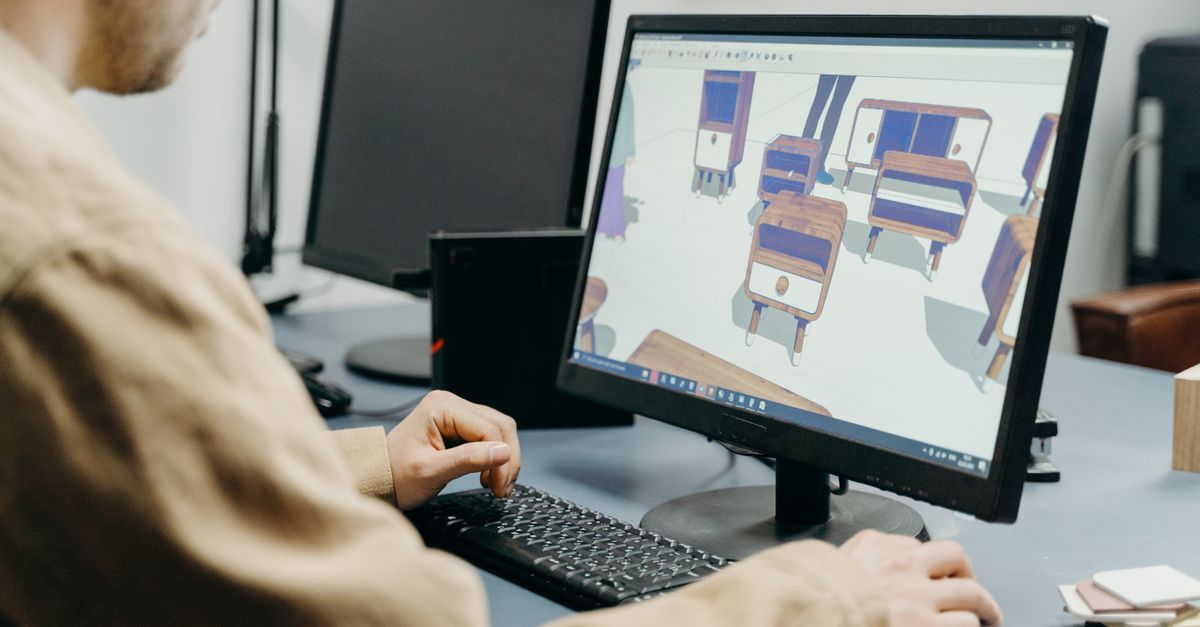
A product designer using a computer for 3D furniture modeling in an office setting.
Artwork File Setup

Ensure artwork files are prepared correctly with proper dimensions, bleed areas, color settings, and print-ready specifications.

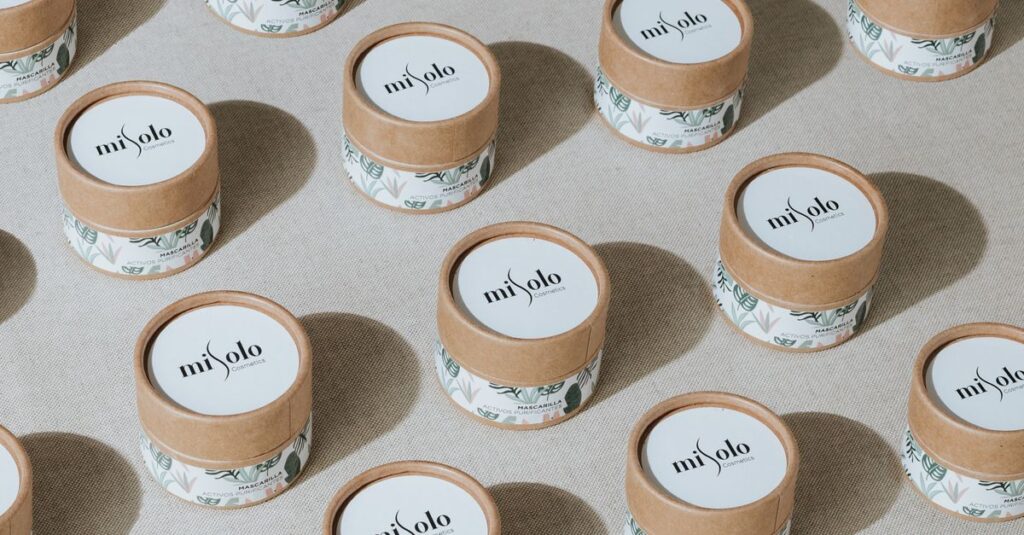
Patterned display of eco-friendly cosmetic jars highlighting sustainable beauty packaging.
Branding Consistency

Verify logos, brand colors, typography, and visual elements remain consistent across all packaging formats.

A luxurious green jewelry box with gold accents on a soft gray fabric background.
Material Selection

Confirm packaging materials meet product requirements, sustainability goals, durability standards, and budget expectations.

Minimalistic black cardboard boxes arranged in a modern geometric composition.
Structural Design Review

Evaluate packaging dimensions, insert requirements, assembly methods, and product protection features.

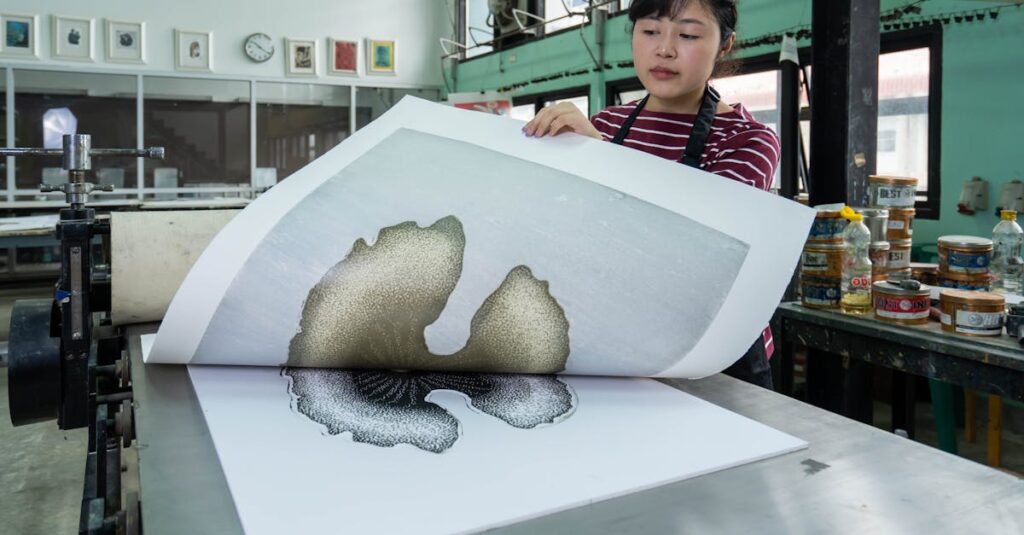
A woman inspects a freshly printed design in a modern printmaking studio, surrounded by printing tools and equipment.
Printing Specifications

Review color accuracy, print methods, barcode placement, regulatory information, and finishing requirements.

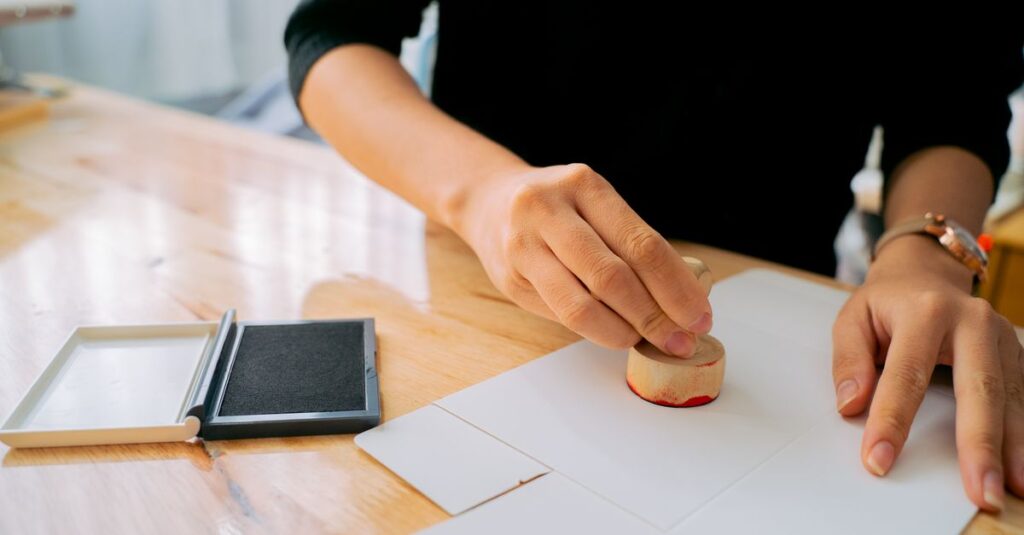
Close-up of hands stamping a document on a wooden desk indoors.
Final Pre-Production Approval

Complete final checks before mass production, including sample approval, compliance review, and manufacturing sign-off.

Packaging Design Checklist Essentials

Before production begins, brands should review all critical packaging design elements to avoid delays, errors, and unnecessary costs.

  • Artwork dimensions
  • Bleed and safety margins
  • Color profile verification
  • Material selection
  • Barcode placement
  • Regulatory information
  • Finishing specifications
  • Production approval

Typical Packaging Design Review Process

Most packaging projects follow a structured design review workflow before manufacturing begins.

  1. Project Brief Review
  2. Structural Design Planning
  3. Artwork Development
  4. Brand Review
  5. Material Selection
  6. Print Proof Approval
  7. Sample Evaluation
  8. Compliance Verification
  9. Final Sign-Off
  10. Production Release

Need Help Reviewing Your Packaging Design?

Reduce costly revisions and production delays by ensuring your packaging design is fully prepared before submission.

  • Artwork Review
  • Dieline Verification
  • Material Consultation
  • Print Specification Review
  • Production Readiness Assessment

Benefits of Following a Packaging Design Checklist

Reduced Design Errors

Identify artwork, layout, and production issues before manufacturing begins, reducing costly revisions and delays.

Improved Print Accuracy

Ensure colors, graphics, typography, and print specifications are correctly prepared for consistent production results.

Stronger Brand Consistency

Maintain consistent branding across packaging formats through proper logo usage, color standards, and design guidelines.

Faster Production Approval

Streamline review and approval processes by ensuring all packaging requirements are verified before submission.

Lower Manufacturing Risks

Reduce production issues related to incorrect artwork, material selection, structural design, or compliance requirements.

Better Packaging Performance

Improve product protection, customer experience, and overall packaging effectiveness through proper design planning.

F.A.Q.

Most packaging manufacturers require print-ready artwork files in AI, PDF, EPS, or other vector formats, along with dielines, fonts, linked images, and color specifications.

Packaging artwork should generally be prepared in CMYK color mode to ensure accurate color reproduction during commercial printing.

Bleed areas prevent unwanted white edges after trimming by extending artwork beyond the final cut line, ensuring clean and professional printing results.

Brands can reduce printing errors by reviewing artwork dimensions, verifying color profiles, checking barcode placement, and approving print proofs before production.

Before approving production, brands should verify artwork accuracy, packaging dimensions, material specifications, finishing requirements, regulatory information, and sample quality.

Physical samples are highly recommended because they allow brands to evaluate structure, materials, print quality, functionality, and overall presentation before mass production.

Related Articles

Section Title

Hello world!

Welcome to WordPress. This is your first post. Edit or delete it, then start writing!...