

Lead Time Guide

Understand the key factors that influence packaging production lead times, from design approval and sampling to manufacturing and international shipping. Learn how to plan projects effectively and avoid costly delays.

What You'll Learn in This Guide

This guide explains every stage of the packaging timeline, helping brands forecast production schedules accurately and improve supply chain planning.

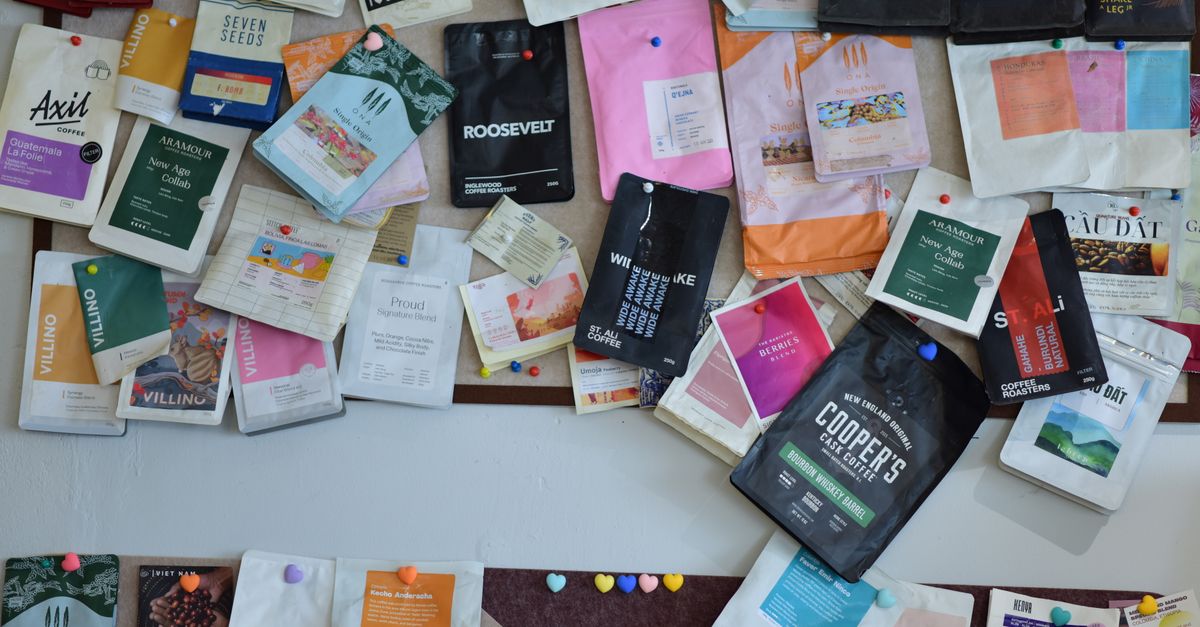
A diverse collection of coffee packages pinned to a bulletin board, showcasing various brands and designs.
Artwork Preparation

Learn how artwork development, revisions, and approval cycles impact overall packaging project timelines.

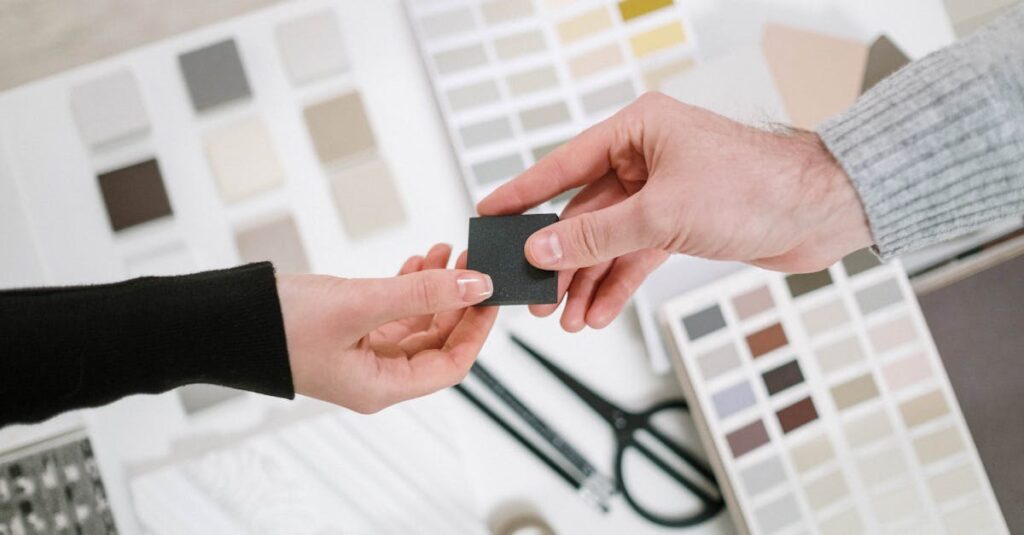
Two hands exchange a color sample during a collaborative design meeting with various palettes.
Prototype Development

Understand how structural samples and printed prototypes are developed before production begins.

A minimalist silver candy wrapper mockup on a white background, perfect for branding.
Sample Approval Process

Explore the review and approval process required before mass production can move forward.

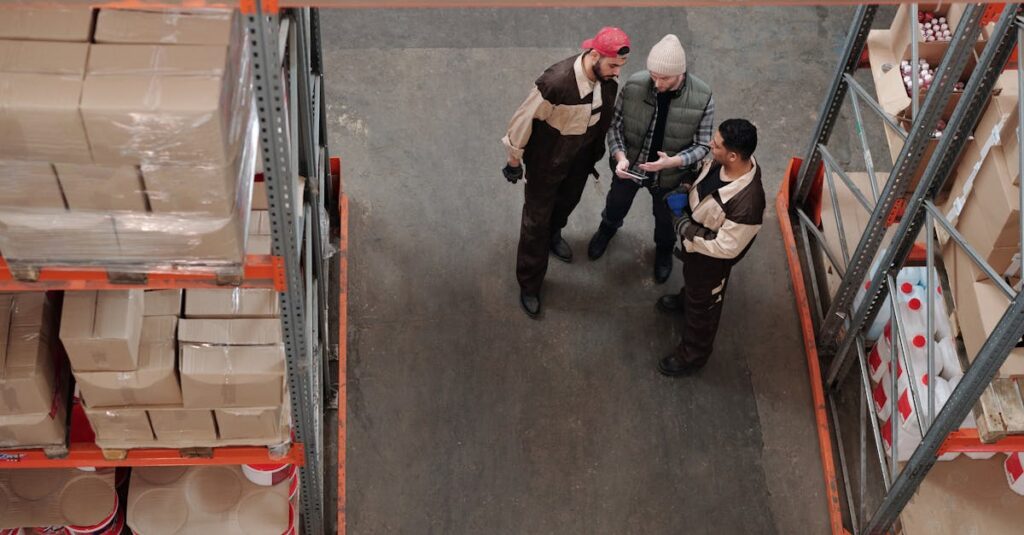
Three warehouse workers discussing logistics in an industrial storage area.
Production Scheduling

Learn how production capacity, material availability, and factory scheduling influence manufacturing timelines.

Workers in a pharmaceutical facility packaging tablets in Islamabad.
Quality Inspection

Understand inspection procedures that help maintain quality while minimizing production delays.

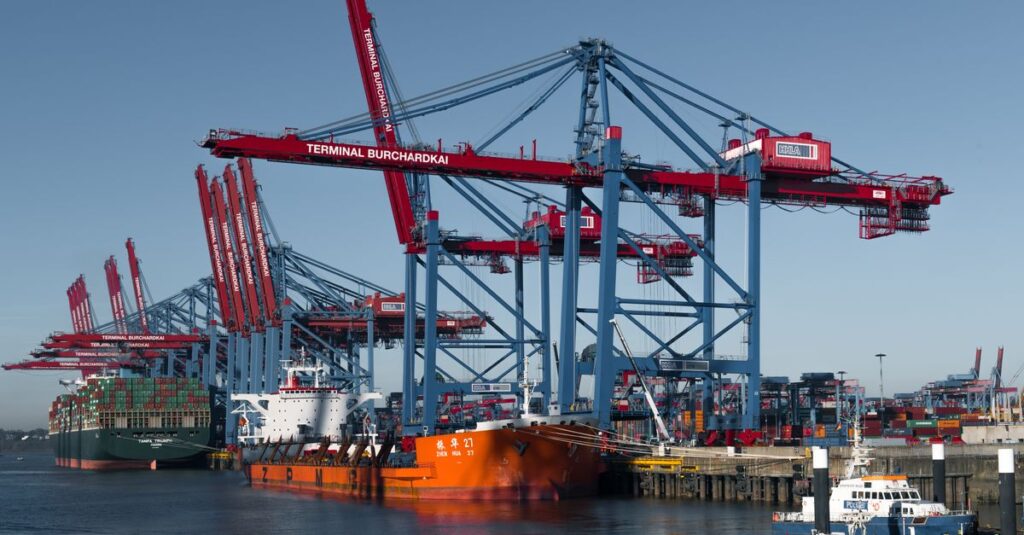
Container ships docked at Hamburg's busy Terminal Burchardkai under cranes.
Shipping & Delivery

Learn how international shipping methods and customs clearance affect final delivery schedules.

Factors That Affect Packaging Lead Times

Packaging lead times can vary depending on project complexity, production requirements, material availability, and logistics planning. Understanding these factors helps brands forecast schedules more accurately and reduce delays.

  • Packaging structure complexity
  • Material sourcing availability
  • Artwork approval timelines
  • Sampling requirements
  • Factory production capacity
  • Quality inspection procedures
  • Shipping method selection
  • Customs clearance processes

Typical Packaging Project Timeline

Most custom packaging projects follow a structured timeline from concept approval through final delivery. Planning ahead helps brands avoid production bottlenecks and launch products on schedule.

  1. Project Consultation (1–2 Days)
  2. Artwork Preparation (2–5 Days)
  3. Prototype Development (3–7 Days)
  4. Sample Approval (2–5 Days)
  5. Production Scheduling (1–3 Days)
  6. Mass Production (10–25 Days)
  7. Quality Inspection (1–3 Days)
  8. Export Preparation (1–2 Days)
  9. International Shipping (5–35 Days)
  10. Final Delivery

Need Help Planning Packaging Timelines?

Whether you are launching a new product or managing recurring packaging orders, we can help optimize timelines and reduce delays.

  • Lead Time Planning
  • Production Coordination
  • Supplier Communication
  • Quality Management
  • Global Logistics Support

Benefits of Understanding Packaging Lead Times

Better Project Planning

Forecast packaging schedules more accurately and reduce project uncertainty.

Improved Inventory Control

Align packaging production with inventory management and product launches.

Reduced Delays

Identify bottlenecks early and prevent avoidable production disruptions.

Supplier Coordination

Improve communication and scheduling with manufacturing partners.

Production Efficiency

Optimize timelines by understanding every stage of the production process.

Faster Market Launches

Bring products to market more efficiently with better packaging planning.

F.A.Q.

Most custom packaging projects require approximately 2–6 weeks for production after sample approval, depending on packaging complexity, order volume, and material availability.

Packaging prototypes and production samples typically take between 3–10 business days, depending on structural complexity and printing requirements.

Common causes of delays include artwork revisions, material shortages, sample approval changes, production scheduling constraints, and international shipping disruptions.

Brands can reduce lead times by finalizing artwork early, approving samples promptly, maintaining clear communication with suppliers, and planning projects well in advance.

Yes. Air freight offers faster delivery but higher costs, while ocean freight is more economical but requires longer transit times.

For product launches, brands should ideally begin packaging development at least 8–12 weeks before their desired delivery date to allow sufficient time for sampling, production, and shipping.

Related Articles

Section Title

Hello world!

Welcome to WordPress. This is your first post. Edit or delete it, then start writing!...