
Retail Packaging Guide

Learn how effective retail packaging improves shelf visibility, strengthens brand recognition, enhances customer experience, and supports retail sales performance.

What You'll Learn in This Guide

This guide explores key retail packaging strategies, packaging formats, merchandising considerations, and design factors that influence retail success.

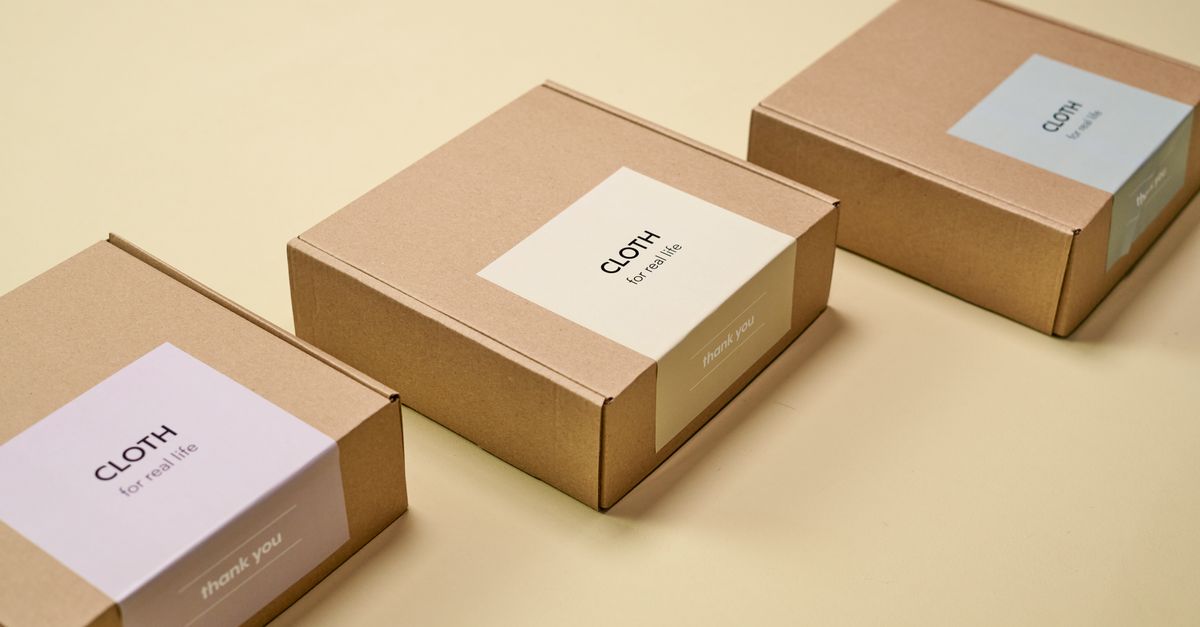
Three minimalist cardboard packages labeled 'CLOTH' on a yellow background.
Shelf Impact & Visibility

Learn how packaging design influences product visibility, consumer attention, and purchasing decisions in retail environments.

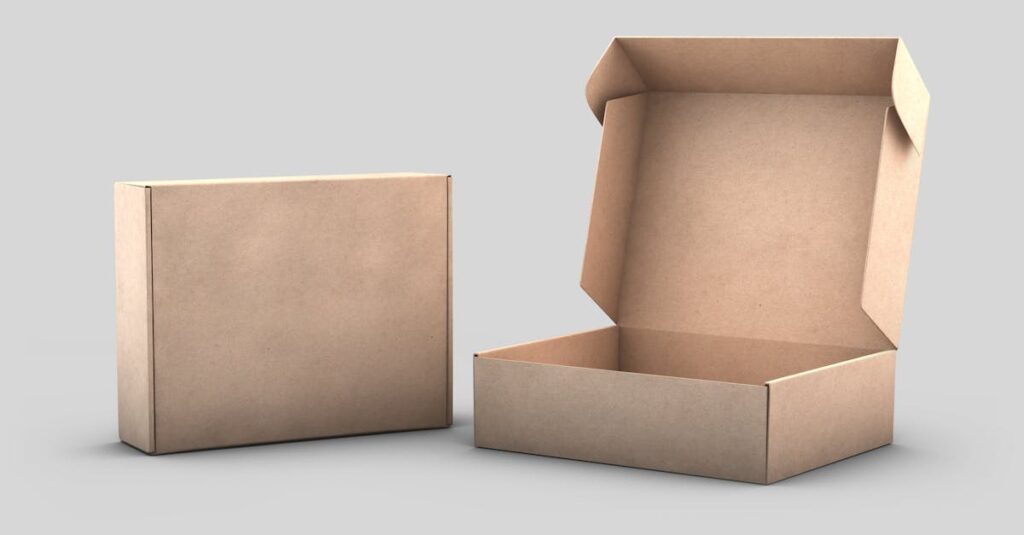
Two cardboard boxes, one closed and one open, on a white background for packaging concepts.
Brand Recognition

Understand how packaging supports brand identity through colors, logos, typography, and consistent visual presentation.

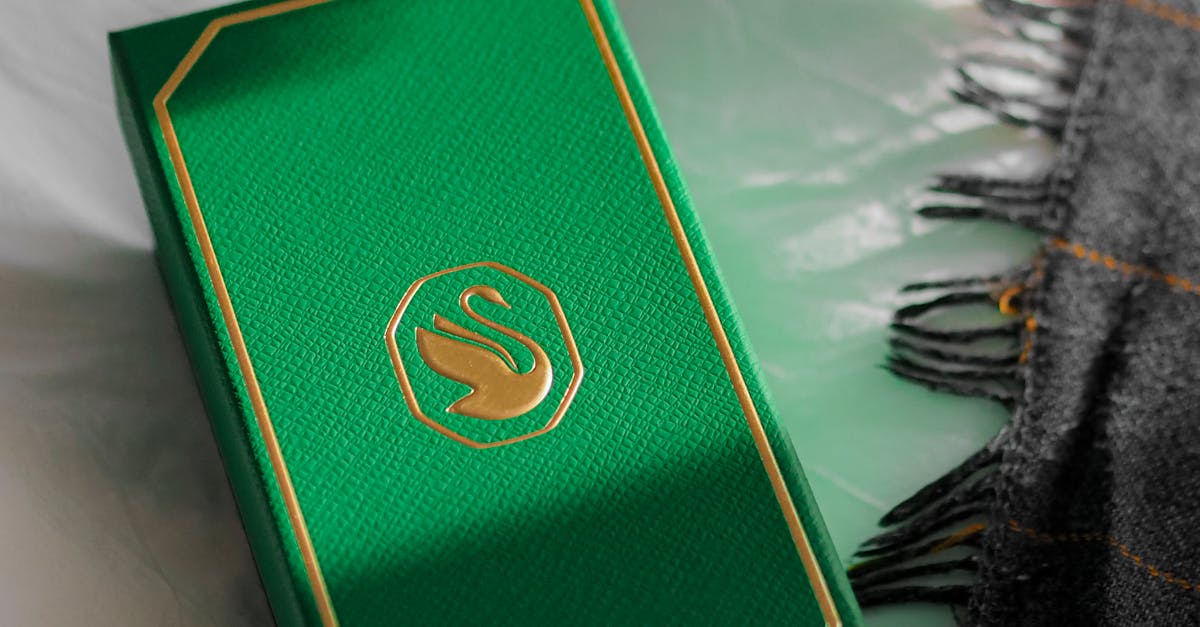
A luxurious green jewelry box with gold accents on a soft gray fabric background.
Packaging Structure

Compare folding cartons, rigid boxes, display packaging, and other retail packaging formats used across industries.

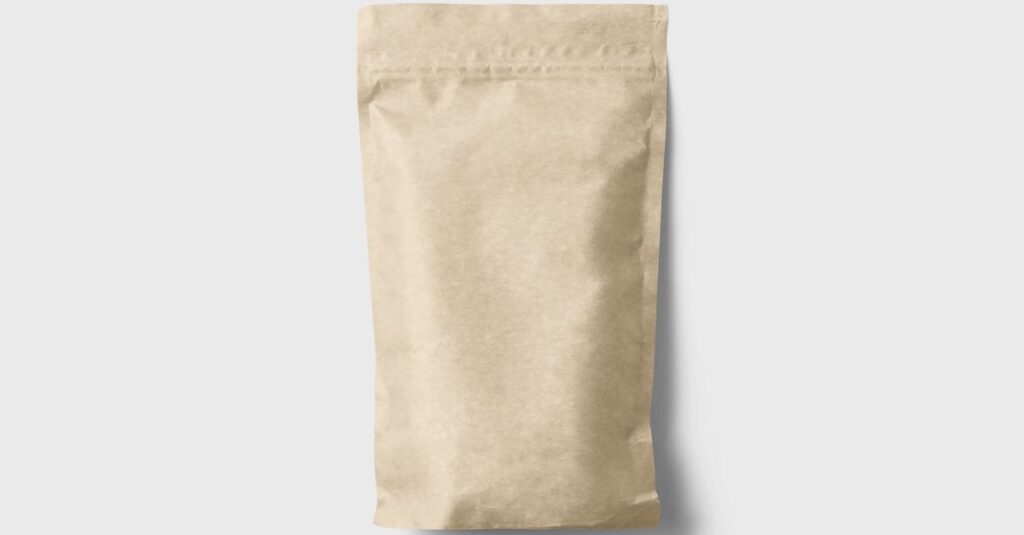
High-quality kraft paper sachet mockup for eco-conscious packaging design.
Consumer Experience

Explore how unboxing experiences, convenience, and functionality contribute to customer satisfaction and repeat purchases.

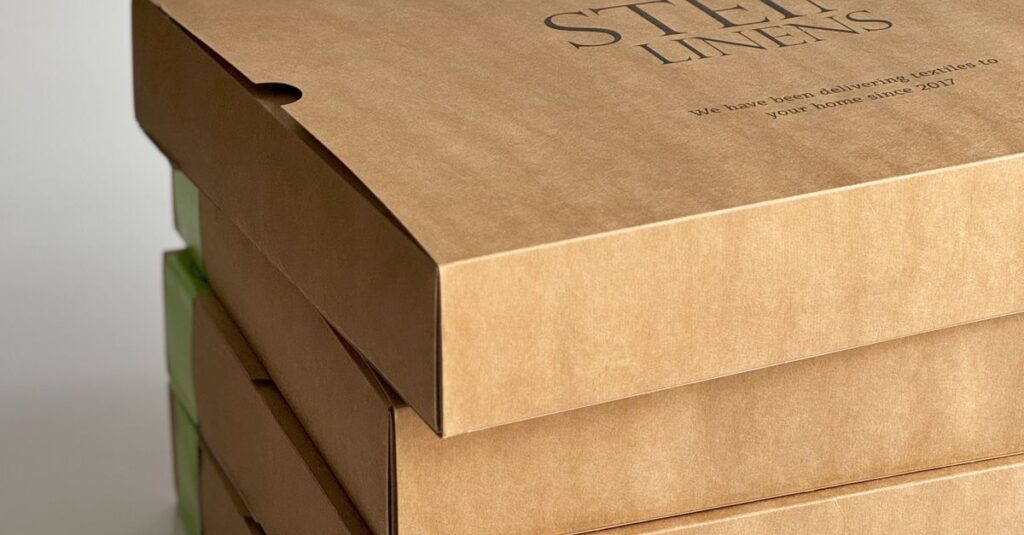
Three stacked brown cardboard boxes on a white background showcasing sustainable packaging.
Retail Compliance

Review barcode placement, labeling requirements, product information standards, and retail packaging compliance considerations.

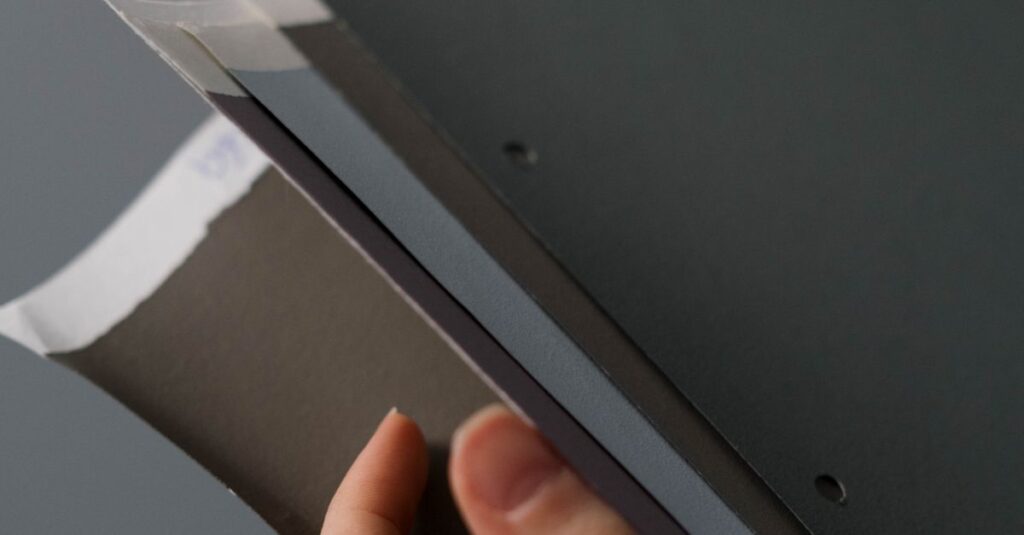
A close-up view of a hand holding paper samples, showcasing different textures and colors.
Retail Display Solutions

Understand how display-ready packaging and point-of-sale displays improve product presentation and retail performance.

Key Factors for Successful Retail Packaging

Retail packaging must balance branding, functionality, protection, and merchandising requirements.

  • Shelf visibility
  • Brand consistency
  • Consumer appeal
  • Product protection
  • Retail compliance
  • Packaging durability
  • Display effectiveness
  • Cost efficiency

Typical Retail Packaging Development Process

Most retail packaging projects follow a structured development process to ensure packaging performs effectively in retail environments and supports brand objectives.

  1. Product Analysis
  2. Retail Channel Review
  3. Packaging Structure Selection
  4. Brand Design Development
  5. Compliance Verification
  6. Prototype Development
  7. Retail Testing
  8. Production Approval
  9. Manufacturing
  10. Retail Launch

Need Help Developing Retail Packaging?

Our packaging specialists help brands create retail packaging solutions that improve shelf presence, customer engagement, and sales performance.

  • Retail Packaging Consultation
  • Structural Design Support
  • Retail Compliance Guidance
  • Display Packaging Solutions
  • Production Planning Assistance

Benefits of Effective Retail Packaging

Increased Shelf Visibility

Capture consumer attention more effectively and improve product discoverability in competitive retail environments.

Stronger Brand Recognition

Build consistent brand identity through packaging design, colors, logos, and visual presentation.

Improved Consumer Engagement

Create memorable customer experiences through attractive packaging, usability, and effective communication.

Better Product Protection

Reduce product damage during transportation, storage, and retail handling with appropriate packaging structures.

Enhanced Retail Performance

Support merchandising efforts, improve display effectiveness, and strengthen overall retail execution.

Higher Sales Potential

Improve purchase decisions and increase sales opportunities through stronger shelf impact and brand presentation.

F.A.Q.

Retail packaging is product packaging specifically designed for display and sale in retail environments. It combines branding, product protection, consumer communication, and merchandising functions.

Retail packaging helps attract consumer attention, strengthen brand recognition, communicate product benefits, and influence purchasing decisions at the point of sale.

Packaging affects consumer perception through visual design, color, structure, messaging, and overall presentation, often influencing purchase decisions within seconds.

Common retail packaging formats include folding cartons, rigid boxes, display packaging, blister packaging, flexible pouches, and corrugated retail-ready packaging.

Retail packaging typically includes product information, branding elements, barcodes, regulatory information, usage instructions, and required labeling details.

Brands can improve shelf visibility through strong packaging design, distinctive colors, clear messaging, premium finishes, and retail display strategies.

Related Articles

Section Title

Hello world!

Welcome to WordPress. This is your first post. Edit or delete it, then start writing!...