

Packaging Material Comparison

Compare popular packaging materials based on durability, sustainability, cost, appearance, and performance. Learn how to choose the right packaging material for your product, brand, and budget requirements.

What You'll Learn in This Guide

This guide compares the most common packaging materials used in custom packaging and helps brands make informed material selection decisions.

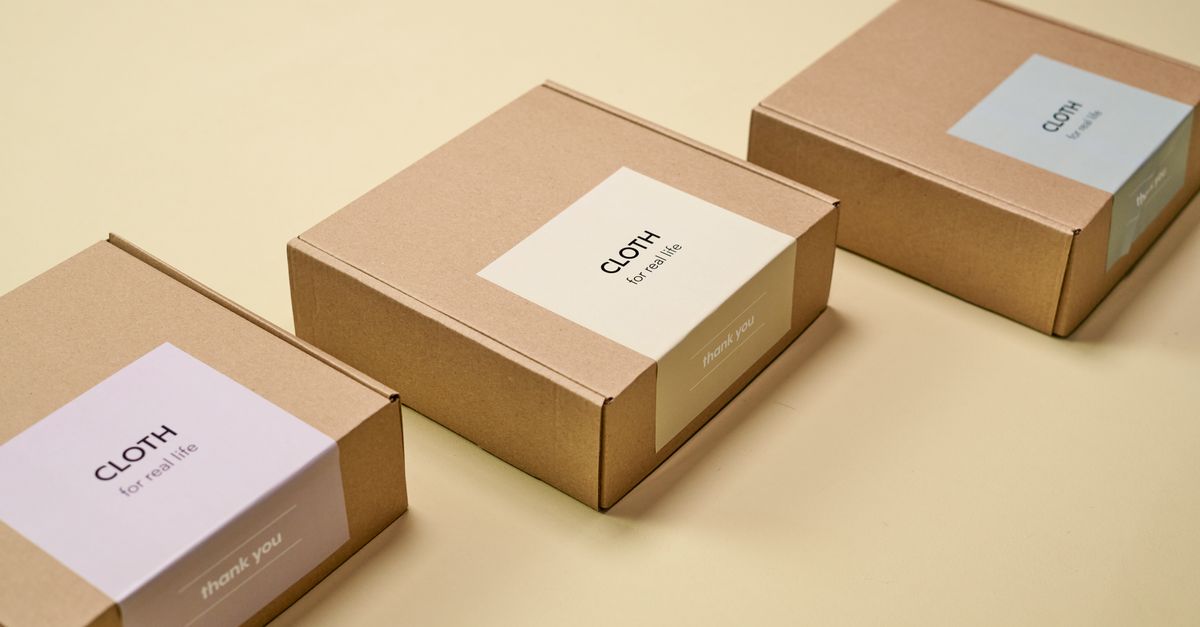
Three minimalist cardboard packages labeled 'CLOTH' on a yellow background.
Paperboard Packaging

Explore lightweight paperboard materials commonly used for folding cartons, retail packaging, and consumer products.

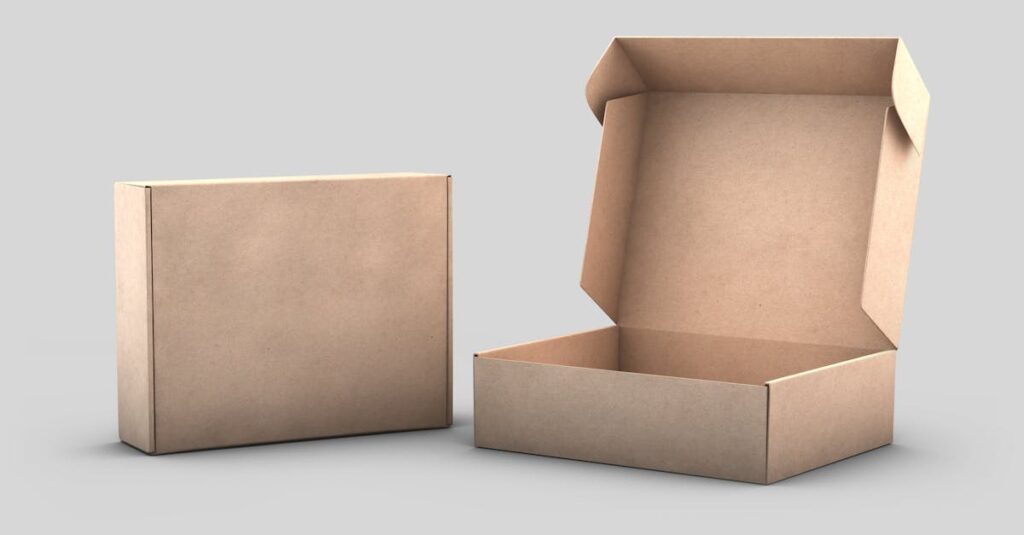
Two cardboard boxes, one closed and one open, on a white background for packaging concepts.
Corrugated Packaging

Learn how corrugated materials provide durability, shipping protection, and cost-effective packaging solutions.

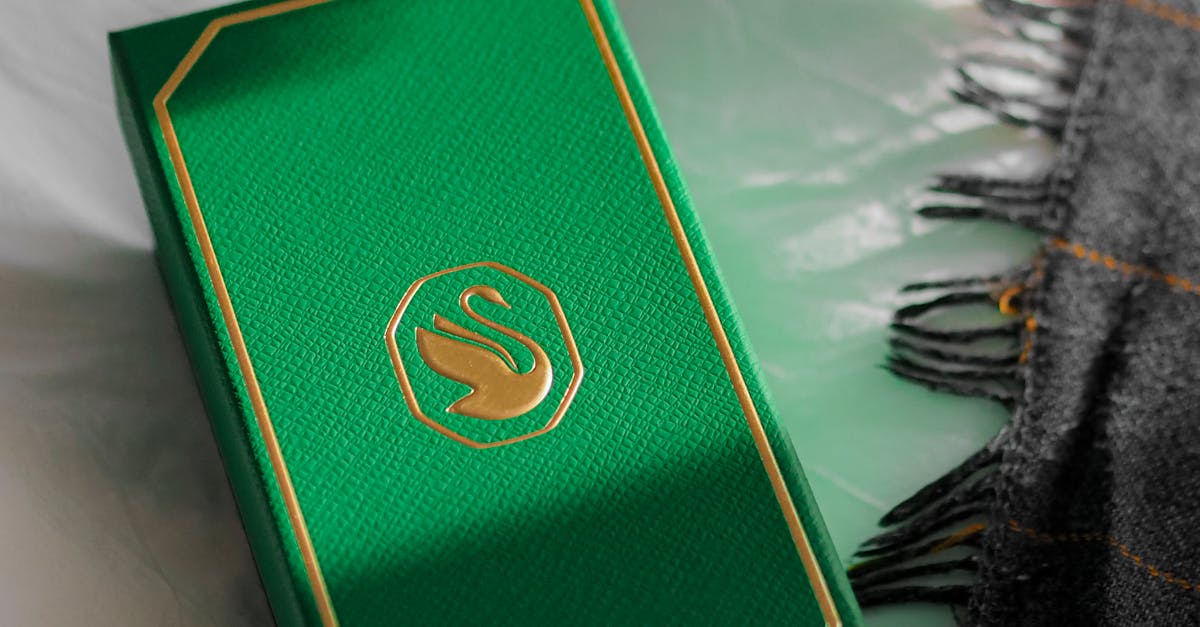
A luxurious green jewelry box with gold accents on a soft gray fabric background.
Rigid Box Materials

Understand premium rigid box materials used for luxury packaging, gift boxes, and high-end retail products.

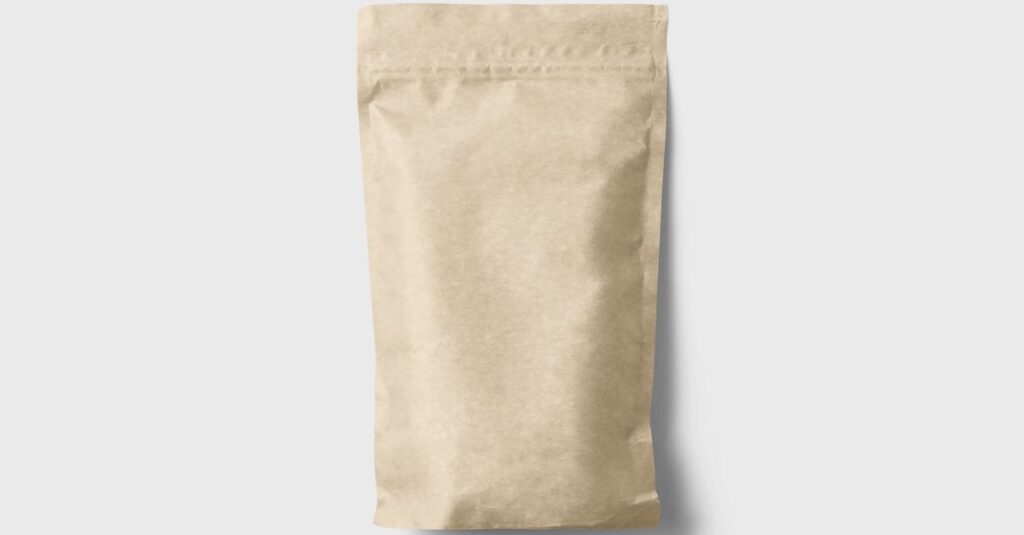
High-quality kraft paper sachet mockup for eco-conscious packaging design.
Flexible Packaging

Compare flexible packaging materials commonly used for food, supplements, personal care, and consumer products.

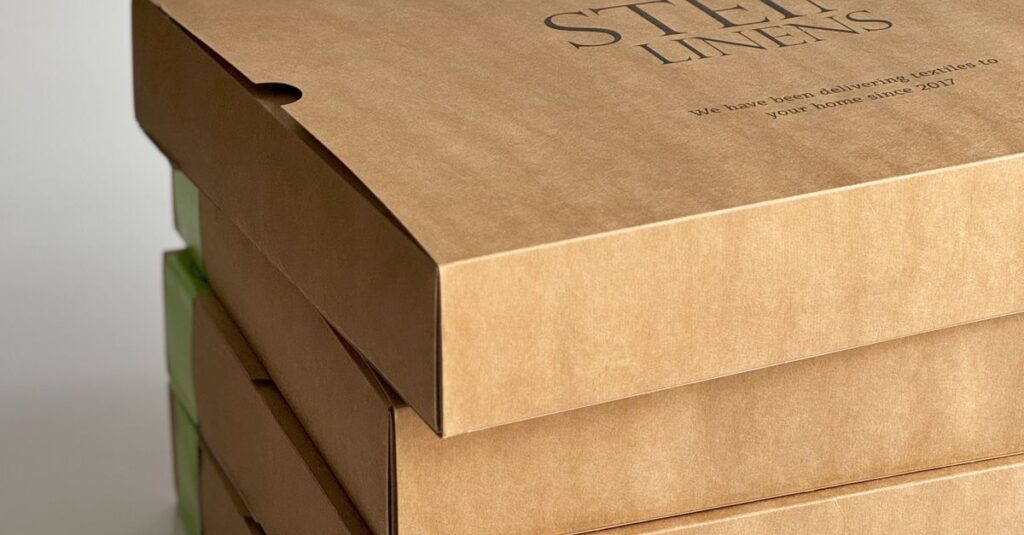
Three stacked brown cardboard boxes on a white background showcasing sustainable packaging.
Sustainable Materials

Review eco-friendly packaging options including recycled paper, biodegradable materials, and FSC-certified packaging solutions.

A close-up view of a hand holding paper samples, showcasing different textures and colors.
Material Selection Factors

Understand how cost, durability, sustainability, branding goals, and product protection influence material selection.

Key Factors When Comparing Packaging Materials

Packaging materials should be evaluated based on product requirements, budget, sustainability goals, and customer expectations.

  • Material durability
  • Cost efficiency
  • Print quality
  • Sustainability
  • Product protection
  • Weight and logistics
  • Brand presentation
  • Consumer experience

Typical Material Selection Process

Most packaging projects follow a structured process when selecting packaging materials.

  1. Product Requirement Review
  2. Packaging Structure Selection
  3. Material Evaluation
  4. Cost Analysis
  5. Sustainability Assessment
  6. Sample Development
  7. Performance Testing
  8. Brand Review
  9. Final Material Approval
  10. Production Launch

Need Help Choosing the Right Packaging Material?

Whether you are developing retail packaging, shipping boxes, or luxury packaging, we can help you select the right material solution.

  • Material Consultation
  • Cost Comparison Support
  • Sustainability Guidance
  • Packaging Engineering Assistance
  • Production Recommendations

Benefits of Comparing Packaging Materials

Better Material Selection

Choose packaging materials that best match product requirements, performance expectations, and brand positioning.

Improved Product Protection

Understand how different materials impact durability, structural strength, and protection during shipping and handling.

Smarter Cost Decisions

Compare material costs more effectively and identify solutions that balance quality and budget requirements.

Enhanced Sustainability

Evaluate environmentally responsible materials that support sustainability goals and consumer expectations.

Stronger Brand Presentation

Select packaging materials that enhance visual appeal, print quality, and overall customer perception.

Optimized Packaging Performance

Improve packaging functionality by choosing materials that support storage, transportation, and end-user experience.

F.A.Q.

Paperboard is one of the most widely used packaging materials due to its versatility, printability, cost efficiency, and suitability for a wide range of consumer products.

Paperboard is typically used for retail packaging and folding cartons, while corrugated materials provide greater strength and protection for shipping and transportation applications.

Recycled paperboard, corrugated cardboard, FSC-certified materials, and certain biodegradable packaging solutions are among the most sustainable packaging options available.

Material choice directly impacts production costs, shipping expenses, durability, print quality, and overall packaging performance. Premium materials generally increase packaging budgets.

Rigid box materials, specialty papers, textured stocks, and premium finishing materials are commonly used for luxury packaging applications.

Brands should evaluate product protection requirements, sustainability goals, branding objectives, budget constraints, and logistics considerations when selecting packaging materials.

Related Articles

Section Title

Hello world!

Welcome to WordPress. This is your first post. Edit or delete it, then start writing!...