




MOQ Guides

Understand how minimum order quantities impact packaging costs, production efficiency, supplier selection, and inventory planning. Learn how to choose the right MOQ strategy for your brand and packaging projects.

What You'll Learn in This Guide

This guide explains how packaging MOQs work, why suppliers set minimum order requirements, and how brands can balance cost, inventory, and production efficiency.

Creative layout of white numbers on a bright blue background, focusing on '123'.
What Is MOQ?

Learn the definition of minimum order quantity and why it plays a critical role in packaging manufacturing.

A pen pointing to a financial graph showing sales and total costs.
Why Suppliers Require MOQs

Understand how setup costs, production efficiency, and material sourcing influence supplier MOQ requirements.

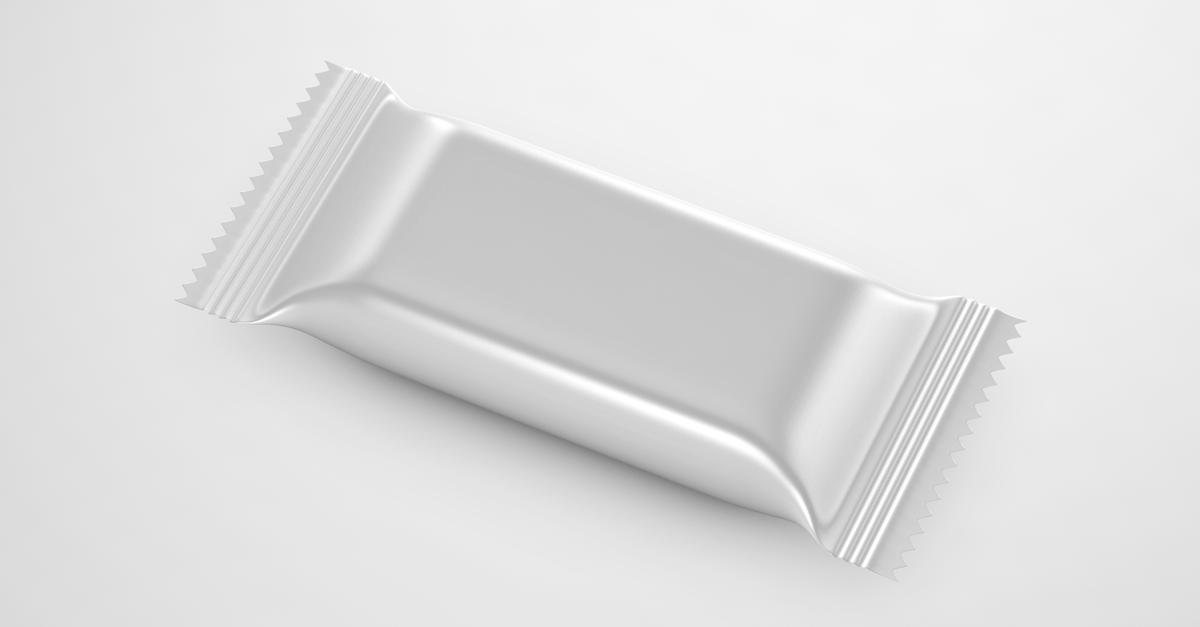
A minimalist silver candy wrapper mockup on a white background, perfect for branding.
Low MOQ Packaging Options

Explore packaging solutions designed for startups, new product launches, and small production runs.

Close-up of hands discussing a break-even analysis document in a business meeting.
MOQ vs Unit Cost

Learn how order quantity impacts pricing and why larger production volumes often reduce per-unit costs.

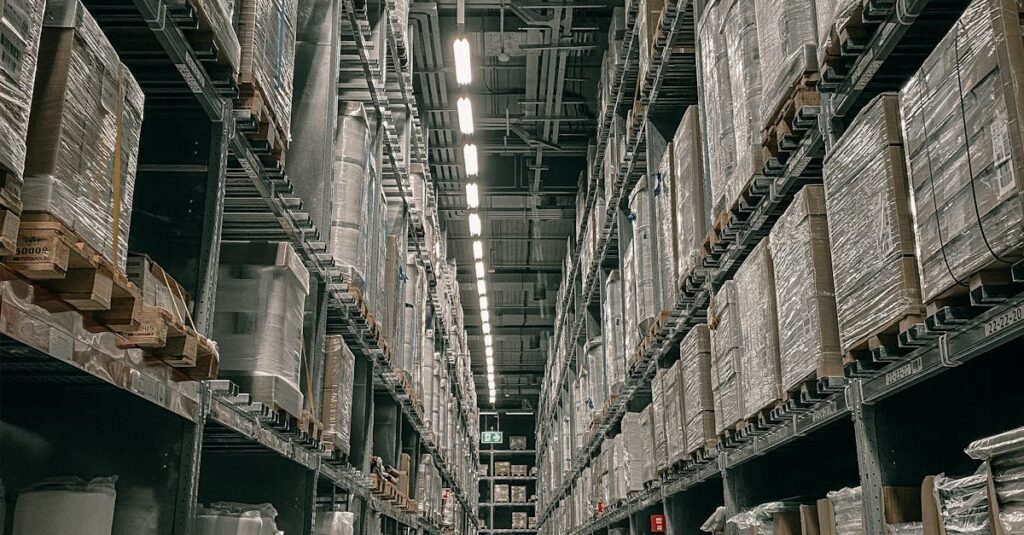
A long aisle in a modern warehouse with high shelving filled with boxes and supplies.
Inventory Planning

Understand how MOQ decisions affect storage requirements, inventory management, and cash flow.

Two business professionals discussing documents in a modern office.
Negotiating MOQ Requirements

Discover strategies for working with suppliers to find MOQ solutions that fit your business goals.

Factors That Influence Packaging MOQs

Packaging minimum order quantities are influenced by several manufacturing and supply chain considerations.

  • Packaging structure complexity
  • Material sourcing requirements
  • Printing setup costs
  • Finishing processes
  • Production efficiency targets
  • Factory capacity planning
  • Inventory management
  • Supplier business models

Typical MOQ Considerations

MOQ requirements vary based on packaging type, customization level, and production processes.

  1. Folding Cartons: 500–5,000 Units
  2. Rigid Boxes: 500–3,000 Units
  3. Corrugated Boxes: 500–10,000 Units
  4. Labels & Stickers: 1,000–10,000 Units
  5. Flexible Packaging: 1,000–20,000 Units
  6. Custom Inserts: Based on Design Complexity
  7. Specialty Finishes May Increase MOQs
  8. Low MOQ Options Available for Certain Projects

Need Help Determining the Right MOQ?

Whether you are launching a new product or scaling an existing brand, we can help you balance cost efficiency and inventory management.

  • MOQ Planning Support
  • Cost Optimization Guidance
  • Supplier Coordination
  • Inventory Strategy Consultation
  • Custom Packaging Solutions

Benefits of Understanding Packaging MOQs

Cost Control

Understand how order quantities affect packaging pricing and identify opportunities to reduce overall production costs.

Inventory Optimization

Balance inventory levels with demand forecasts to avoid overstocking or product shortages.

Better Supplier Selection

Compare supplier MOQ requirements more effectively and choose manufacturing partners that fit your business needs.

Improved Cash Flow

Reduce unnecessary inventory investments and improve financial flexibility through smarter MOQ planning.

Production Efficiency

Understand how manufacturing efficiencies influence MOQ requirements and production economics.

Scalable Growth Planning

Develop packaging strategies that support future growth while maintaining operational efficiency.

F.A.Q.

MOQ stands for Minimum Order Quantity, which is the smallest order volume a packaging supplier is willing to manufacture for a specific product or packaging solution.

Suppliers establish MOQs to cover material procurement costs, production setup expenses, labor requirements, and manufacturing efficiency targets.

Yes. Many packaging suppliers offer low MOQ options for startups and emerging brands, although pricing per unit may be higher than larger production runs.

Higher order quantities generally reduce per-unit packaging costs because setup expenses and production overhead can be spread across more units.

In some cases, suppliers may offer flexibility based on project potential, packaging specifications, material availability, or long-term partnership opportunities.

Folding cartons, labels, stickers, and certain stock packaging formats often provide lower MOQ options compared to highly customized rigid boxes or specialty packaging solutions.

Related Articles

Section Title

Hello world!

Welcome to WordPress. This is your first post. Edit or delete it, then start writing!...